


Blog

March 11, 2024

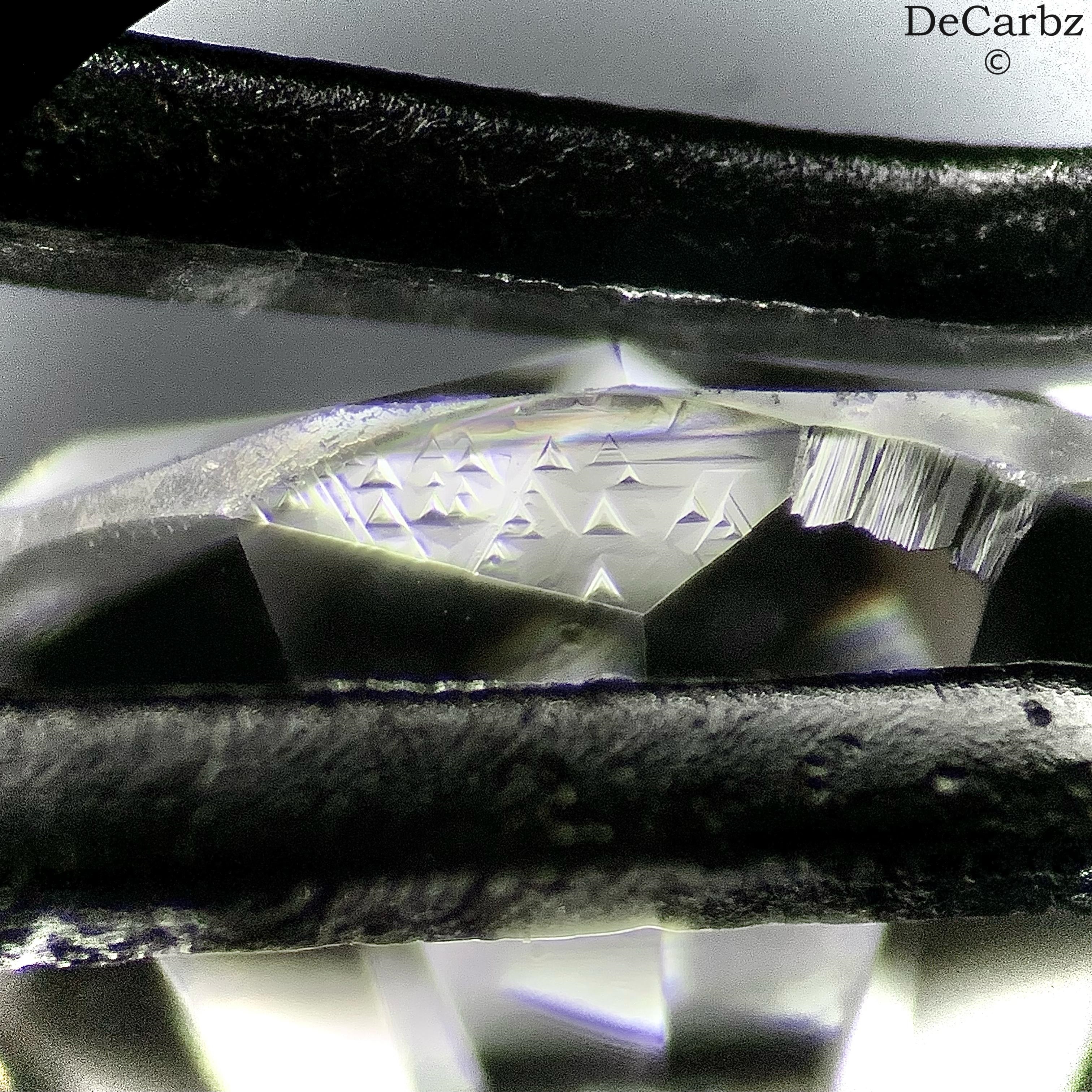
Trigons are triangular surface features found on natural diamonds. They indicate the diamond's natural origin and are typically observed on the octahedral faces. Trigons form as a result of imperfect steps on the diamond's growing surfaces, caused by the accumulation of interstitial faults in the lattice. These imperfections occur mainly below a certain temperature during the diamond's growth process in the Earth's mantle. Trigons are visually distinct, appearing as overlapping triangles with slightly rounded edges. They act as "band-aids" around inclusions within the diamond and are present in no more than 10% of the diamond's overall structure. While trigons are usually polished off during the diamond cutting process, they may still be visible on naturals or indented naturals of a polished diamond, serving as evidence of its natural origin. Stay tuned for our upcoming blog posts, where we'll delve deeper into specific types of diamond inclusions, their characteristics, and the insights they offer to gemstone enthusiasts and professionals alike. Together, let's embark on a journey of discovery and appreciation for the remarkable beauty and complexity of diamonds.
View Post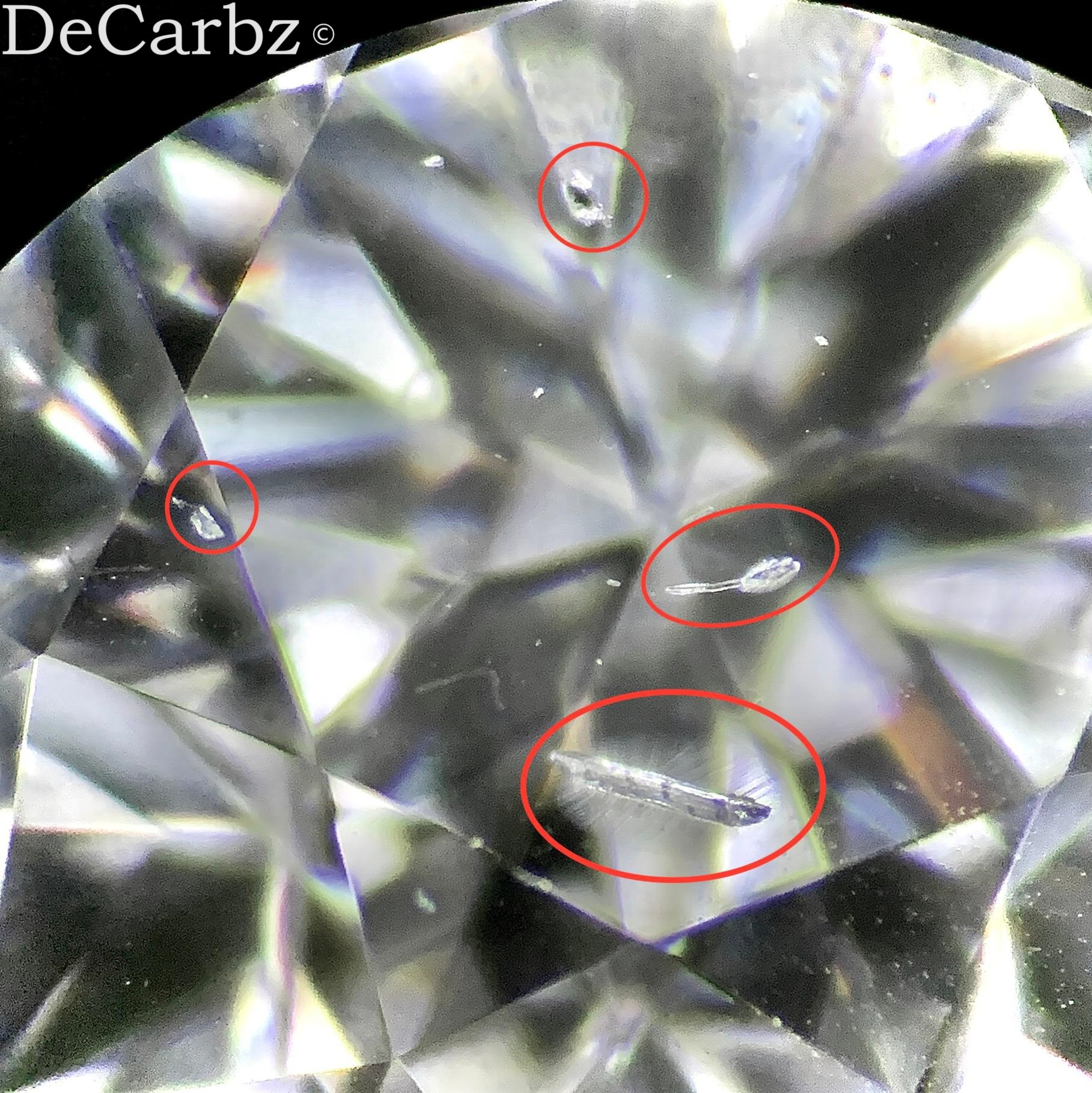
March 11, 2024
In the realm of lab-grown diamonds, the High-Pressure High-Temperature (HPHT) method stands as one of the prominent techniques for diamond synthesis. While this process yields stunning gemstones with remarkable clarity and brilliance, it also gives rise to distinct inclusions that offer valuable insights into the diamond's formation journey. Metallic Features: Among the most recognizable inclusions in HPHT-grown diamonds are metallic features, characterized by their dark, metallic appearance. These inclusions are remnants of the metallic catalyst used in the growth process. When the catalyst fails to dissolve completely, residual metallic particles become trapped within the diamond crystal. As the diamond cools and solidifies, these particles form distinctive metallic inclusions, serving as enduring markers of the growth process. Metallic Needles: Another prevalent inclusion observed in HPHT-grown diamonds is metallic needles. These inclusions vary in size, ranging from large to very fine, and commonly align themselves along the crystal faces and edges, following the growth pattern of the diamond. Their presence reflects the intricate dynamics of the growth environment, where metallic particles organize themselves along the emerging crystal lattice, leaving behind intricate needle-like formations. As we continue to explore the fascinating world of diamond inclusions, we invite you to join us on a journey of discovery and appreciation. Stay tuned for more insights and revelations as we delve deeper into the hidden wonders of lab-grown diamonds. Happy exploring!
View Post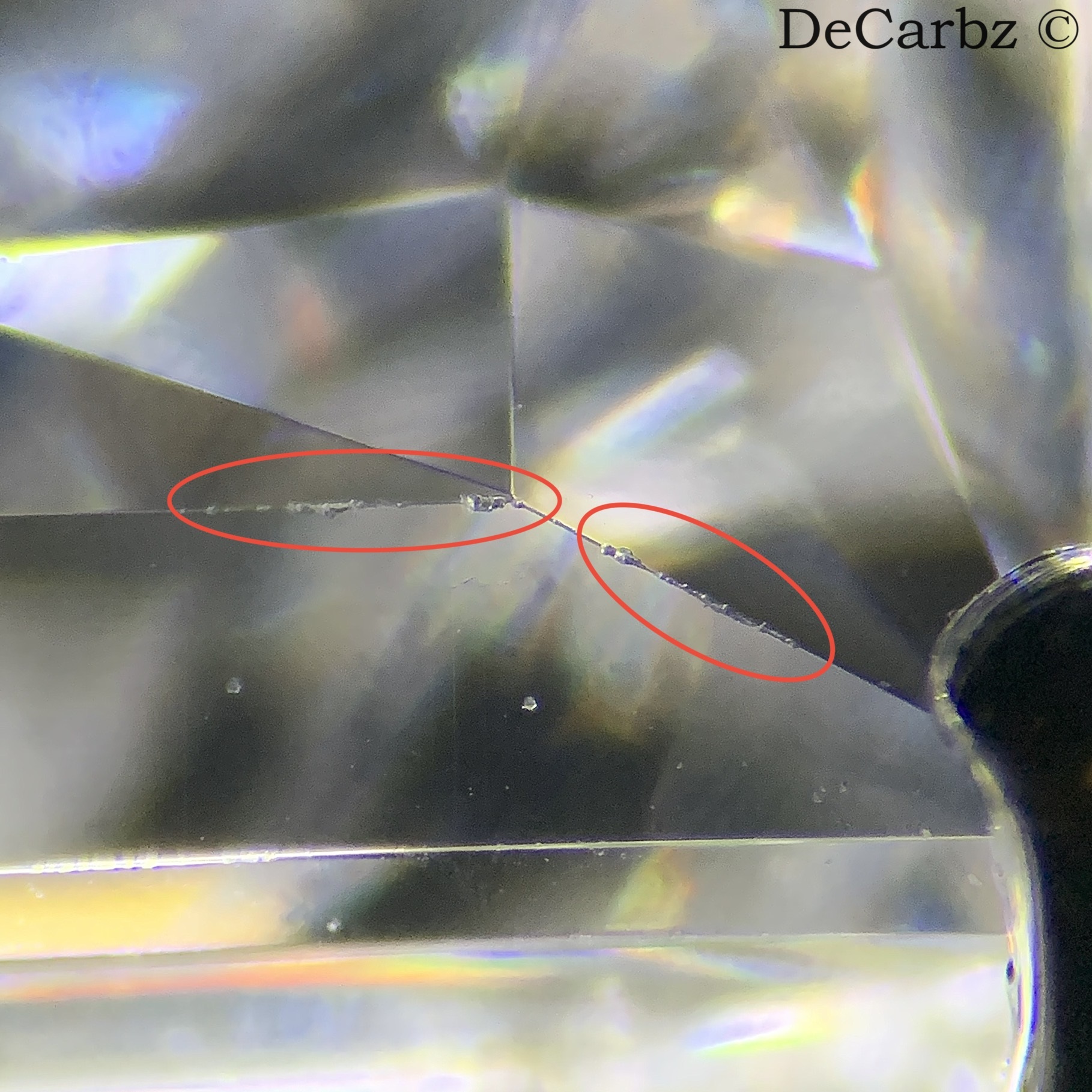
March 11, 2024
At DeCarbz, we believe in not just offering exquisite diamonds, but also in sharing knowledge and insights to empower our customers. In this spirit, we delve into the fascinating world of diamond simulants, focusing on one of the most popular alternatives: Cubic Zirconia (CZ). Understanding CZ: CZ emerged in the late 1970s as a groundbreaking diamond simulant. Created through a meticulous process involving powdered zirconium oxide, CZ crystals are renowned for their striking resemblance to diamonds. However, beneath their surface lies a world of differences in chemical composition, crystal structure, and optical properties. Properties of CZ: With a Mohs hardness of 8.5, CZ boasts impressive durability, although slightly lower than that of diamonds. Typically, colourless and featuring high clarity, CZ stones can be manipulated to mimic a wide array of gemstone colours, making them versatile options for jewellery design. Identifying CZ: While CZ may visually mimic diamonds, there are subtle indicators that distinguish them. One such clue is the presence of non-sharp facet edges, as depicted in the accompanying image. Unlike diamonds, which exhibit precisely oriented and proportioned facets, CZ crystals often display a domed octahedral shape with rounded edges, hinting at their synthetic origin. Simple Tests for CZ Identification: Several straightforward tests can help discern CZ from genuine diamonds: Weight Test: CZ stones typically weigh approximately 1.7 times as much as diamonds of similar dimensions. Fog Test: CZ retains fog for longer durations compared to diamonds due to differences in thermal conductivity. Newsprint Test: Placing the stone upside down on printed text reveals variances in refractivity, with CZ allowing clearer visibility of the text. Additional Clues: Metal Setting: CZ stones are commonly set in base metal, gold-plated, or silver settings, whereas genuine diamonds are often set in precious metals like 14K or 18K gold. Inclusions and Abrasions: A lack of visible inclusions or facet junctions, along with rounded facet edges or noticeable abrasions, may indicate CZ rather than genuine diamonds. Seeking Expert Guidance: When in doubt, consulting a reputable jeweller or gemmologist is invaluable. Advanced laboratory grading techniques can provide definitive identification of CZ and genuine diamonds, ensuring confidence in your diamond selection. Conclusion: As purveyors of fine diamonds, we at DeCarbz are committed to not only offering exquisite pieces but also to sharing knowledge and insights to enhance your understanding of diamonds and their alternatives. By arming yourself with information and seeking expert guidance, you can make informed decisions and confidently select the perfect diamond for every occasion. Stay tuned for more enlightening content and continue your journey with us as we explore the captivating world of diamonds. Please note we just deal with diamonds not with any simulants. Happy exploring, The DeCarbz Team
View Post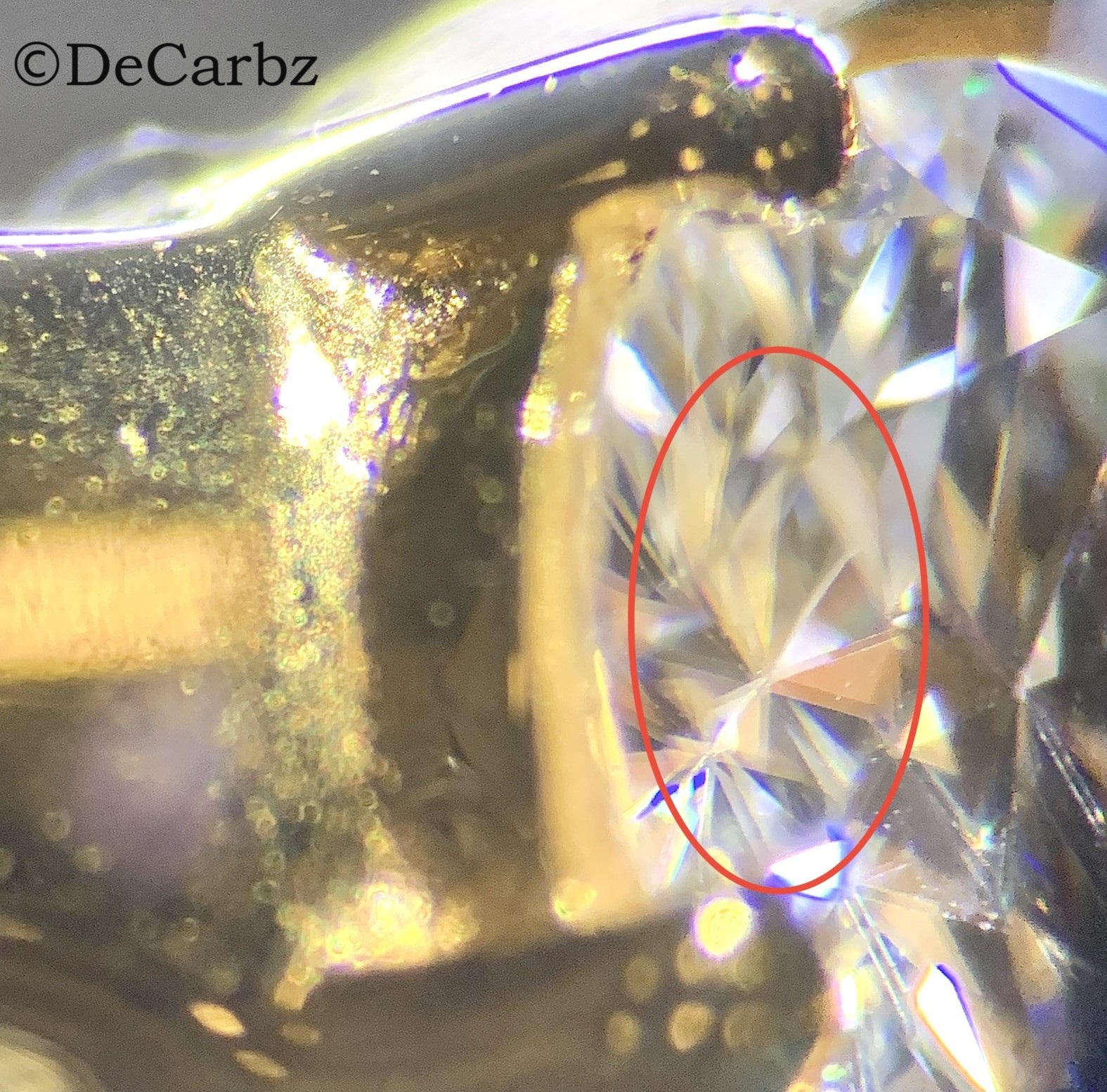
March 11, 2024
At DeCarbz, we are dedicated to providing our customers with not just exceptional diamonds, but also with knowledge and insights to help them make informed choices. In this blog post, we delve into the captivating world of Moissanite, a diamond simulant renowned for its remarkable double refraction property. Understanding Double Refraction: Moissanite, like sapphire, peridot, tourmaline, and zircon, possesses the unique property of double refraction. When a ray of light passes through Moissanite, it is slowed, bent, and split into two rays. This property contributes to Moissanite's incredible fire and brilliance, adding to its allure as a diamond alternative. Dispelling Misconceptions: Critics of Moissanite often cite its double refraction as a disadvantage, claiming that it causes the stone to appear blurry. However, this is not entirely accurate. While double refraction does split a ray of light into two, every double refractive gem has an optic axis where it behaves as a singly refractive gem. In the case of Moissanite, this direction of single refraction is through the table of the stone. As a result, the doubling effect is not apparent when the stone is viewed through the top. Viewing Moissanite: Moissanite is expertly cut so that the direction of single refraction aligns with the table of the stone. This means that the doubling effect is virtually invisible when the stone is viewed through the table. To observe the double refraction, one must examine the Moissanite at 10x magnification through any other crown facet, such as the star or bezel. It's important to note that most customers are unaware of Moissanite's double refractive property, and it does not detract from its beauty when viewed under normal circumstances. Conclusion: While Moissanite's double refraction property may be unique, it does not diminish the unparalleled beauty and desirability of genuine diamonds. At DeCarbz, we are committed to providing our customers with the highest quality diamonds, free from any simulants or substitutes. We aim to educate and empower our customers to make informed decisions, ensuring that they can confidently choose genuine diamonds as the ultimate symbol of luxury and elegance. Stay tuned for more insightful content and continue your journey with us as we explore the captivating world of diamonds and gemstones. Happy exploring, The DeCarbz Team
View Post